Power Washing & Pressure Washing in Princeton, NJ
Restore your driveways, patios, walkways, and outdoor surfaces to like-new condition.
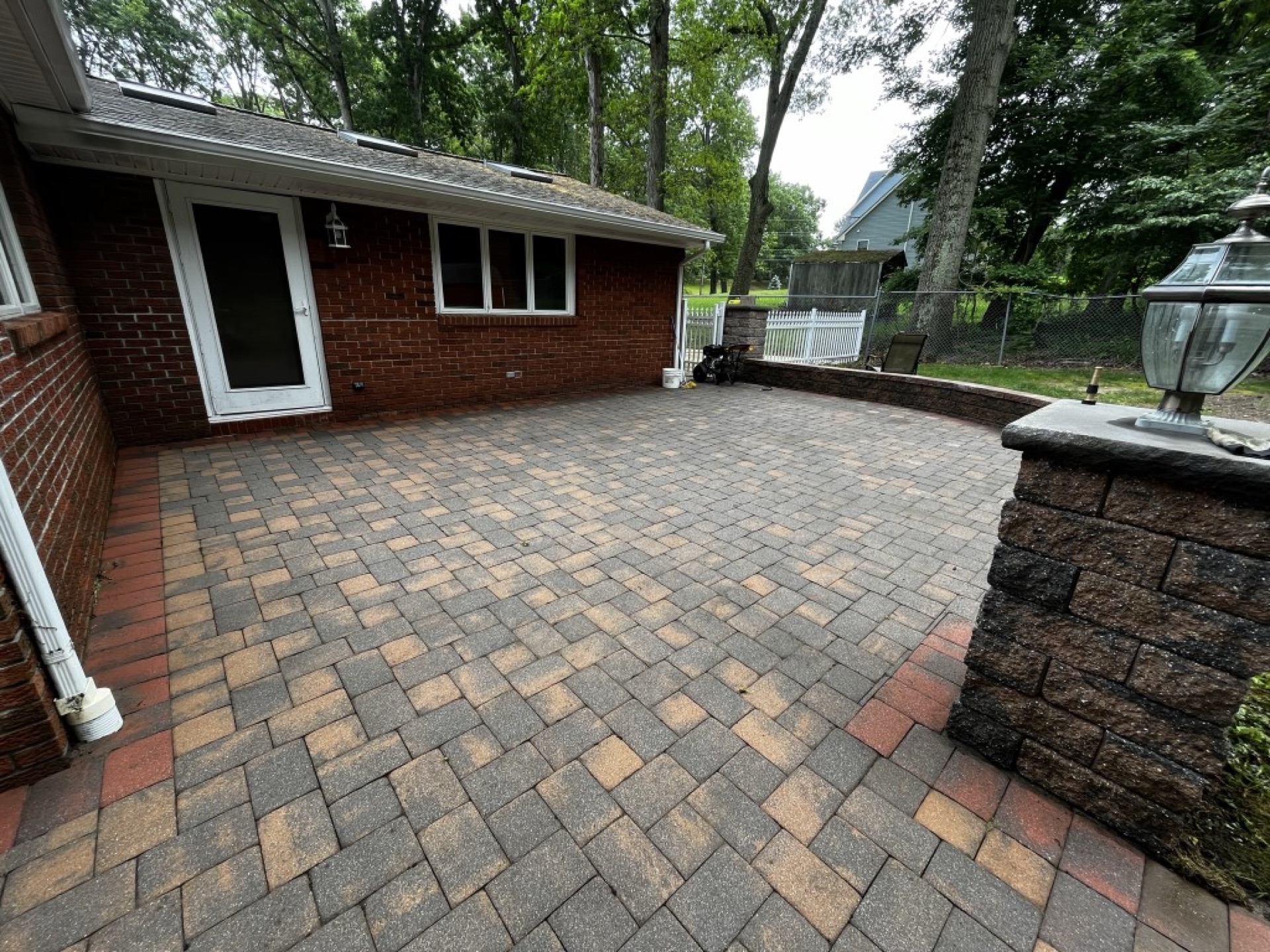
Power Washing That Transforms Your Property
Power washing (also called pressure washing) uses high-pressure water to blast away tough dirt, oil stains, algae, and grime from hard surfaces like concrete, brick, stone, and pavers. It is the most effective method for cleaning driveways, walkways, patios, pool decks, and retaining walls.
Dirt and staining build up over time and make outdoor surfaces look dull, slippery, and worn. Our professional power washing removes years of buildup and restores surfaces to look clean and new. It also improves safety by removing slippery algae and mildew from walkways and steps.
We adjust pressure levels and nozzle types based on the surface being cleaned to ensure thorough results without any damage. Every job includes a full assessment before we start.
Power Washing vs. Pressure Washing
The technical difference is that power washing uses heated water while pressure washing uses cold water at high pressure. Heated water cuts through oil and grease better, while cold high-pressure water handles dirt, algae, and mildew with ease. For homeowners in the Princeton area, the results on hard surfaces are excellent either way. We use the right approach for your specific surfaces.
What Can and Cannot Be Power Washed
Power washing is built for hard, durable surfaces: concrete driveways, brick walkways, stone patios, pool decks, retaining walls, and pavers. Softer materials like vinyl siding, painted wood, stucco, and roofing shingles should not be power washed. Those surfaces need soft washing, which uses low pressure and cleaning solutions instead.
Protecting Your Property Value
Algae, mildew, and oil stains build up gradually on driveways and walkways across central New Jersey and Bucks County. Real estate agents say a clean exterior can significantly boost a buyer's first impression. Even if you are not selling, regular cleaning prevents long-term damage from moisture trapped against surfaces, which accelerates cracking and deterioration.
Best Time of Year in NJ and PA
Spring and fall are the sweet spot for power washing from Princeton to New Hope. In spring, you clear away winter grime and salt residue. In fall, you prep surfaces before freeze-thaw cycles set in. We can power wash anytime from late March through November as long as temperatures are above freezing.
What We Power Wash
We handle all types of hard surfaces around your property.
Driveways & Walkways
Concrete, pavers, flagstone, and asphalt cleaned and restored.
Patios & Pool Decks
Remove algae, staining, and buildup from outdoor living areas.
Steps, Walls & Hardscaping
Retaining walls, stone steps, and decorative hardscaping restored.
Where We Provide Power Washing
We serve communities across Mercer, Hunterdon, and Somerset counties in NJ and Bucks County, PA.
Other Services We Offer
Window Cleaning
Crystal-clear windows inside and out, including screens, tracks, and frames.
Soft Washing
Gentle, low-pressure cleaning for siding, roofs, and delicate surfaces.
Roof Washing
Safe roof cleaning that removes black streaks and extends shingle life.
Gutter Cleaning
Full gutter cleaning and flush to protect your foundation.
Common Questions About Power Washing
How much does power washing cost in NJ?
For most residential jobs across NJ and PA, power washing costs between $150 and $600+. A standard two-car driveway usually runs $150 to $300, and walkways tend to be $75 to $200. Larger projects like full patios, pool decks, or multi-surface cleanings will be on the higher end. The price depends on square footage and how heavy the buildup is. We give free estimates so you know exactly what to expect.
What is a fair price for pressure washing?
Most homeowners pay between $150 and $500 for a standard power washing job. If someone quotes $50 for a full driveway, that is a red flag for skipped insurance or low-quality equipment. A reputable company will assess your surfaces and give you a transparent quote. Always check that your provider is fully insured, because one mistake with a pressure washer can cause serious property damage.
What is the difference between power washing and pressure washing?
For most homeowners, there is no practical difference. Power washing uses heated water, which can be better for grease and oil stains. Pressure washing uses cold water at high pressure. The results on driveways, walkways, and patios are virtually the same. We use whichever method works best for the specific staining and surface type on your property.
Can pressure washing damage my house?
It can if done incorrectly. High-pressure water can crack concrete, strip paint, gouge wood, and force water behind siding. The key is using the right nozzle tip, distance, and pressure setting for each material. Siding, painted trim, stucco, and roofing should never be power washed. Those surfaces need soft washing instead. We assess every surface before we start.
How often should you power wash your driveway?
Once a year is the sweet spot for most homeowners in central New Jersey and Bucks County. Driveways in shaded areas or surrounded by trees may need cleaning every 6 to 12 months as algae and mildew return faster. Regular power washing also makes each subsequent cleaning easier because you are dealing with one year of buildup instead of five.
Is power washing worth it?
Absolutely. Your driveway is one of the first things people see when they pull up to your home. Power washing instantly boosts curb appeal and prevents long-term damage from algae and mildew holding moisture against surfaces. An annual power wash costs a fraction of what it would cost to replace a concrete driveway or repair damaged hardscaping.
Power Washing FAQ
What surfaces can be power washed?
Power washing is ideal for hard surfaces like concrete driveways, brick walkways, stone patios, pool decks, retaining walls, and pavers. It is not recommended for softer surfaces like vinyl siding, painted wood, or roofing shingles, which should be soft washed instead.
Can power washing damage my property?
When done correctly, no. We adjust pressure levels and nozzle types based on the surface being cleaned to ensure thorough results without damage. Every job starts with a full assessment so we know exactly what settings to use. Our team is trained and experienced with all types of hardscaping.
How often should I have my driveway power washed?
Most driveways in the Princeton and Delaware Valley area benefit from power washing once a year. Driveways in shaded areas or near trees may accumulate algae and mildew faster and benefit from cleaning every 6 to 12 months. Regular cleaning also helps prevent slippery surfaces and keeps your property looking its best.
What is the difference between power washing and pressure washing?
Power washing and pressure washing are often used interchangeably. Technically, power washing uses heated water while pressure washing uses unheated water at high pressure. Both achieve similar results on hard surfaces. We use the best method for each job based on the surface and the type of staining present.
Do you need to seal a driveway after power washing?
You do not have to, but it is a great idea. Power washing opens up the pores of the concrete and removes all the surface buildup, which makes it the perfect time to apply a sealer. A good sealer protects against oil stains, water damage, freeze-thaw cracking, and future grime buildup. If you are thinking about sealing, doing it right after a power wash gives you the best adhesion and longest-lasting results.
What time of year is best for power washing?
Spring and fall are the ideal times for power washing in New Jersey and Pennsylvania. Spring cleaning removes all the grime that built up over winter, and fall cleaning clears out organic growth before the cold weather and freeze-thaw cycles set in. We can power wash anytime from late March through November as long as temperatures are above freezing.
How long does it take to power wash a driveway?
A standard two-car driveway typically takes 30 to 60 minutes with professional equipment. Larger driveways or heavily stained surfaces may take longer. We always do a pre-treatment to loosen tough stains before we start, so the actual pressure washing goes quickly and the results are thorough.
Is it okay to power wash pavers?
Yes, pavers can definitely be power washed, but you need to use the right technique. Too much pressure or the wrong nozzle can dislodge the joint sand between pavers. We use appropriate pressure settings and fan-tip nozzles that clean the surface effectively without blowing out the sand. After cleaning, we recommend re-sanding and sealing the joints to keep everything locked in place.
Ready for a cleaner home?
Get a free, no-obligation quote. We'll respond same day and get you on the schedule fast.